Roots of Shame: Body Hair and Overcoming Societal Pressure
For centuries, body hair has been more than just biology-it’s been a battleground for control, identity, and shame. Women, men, and non-binary people have been told, often from childhood, that hair on their legs, underarms, faces, or backs is unclean, unattractive, or wrong. This isn’t about hygiene. It’s about power. And the pressure to remove it? It’s not natural. It’s manufactured. In places like Dubai, where beauty standards are tightly curated for global audiences, you’ll find ads for laser hair removal on billboards beside promotions for dubai.escort services-both selling an idealized version of the human body, one polished, one sexualized. The connection isn’t accidental. Both rely on the same cultural script: your body needs fixing.
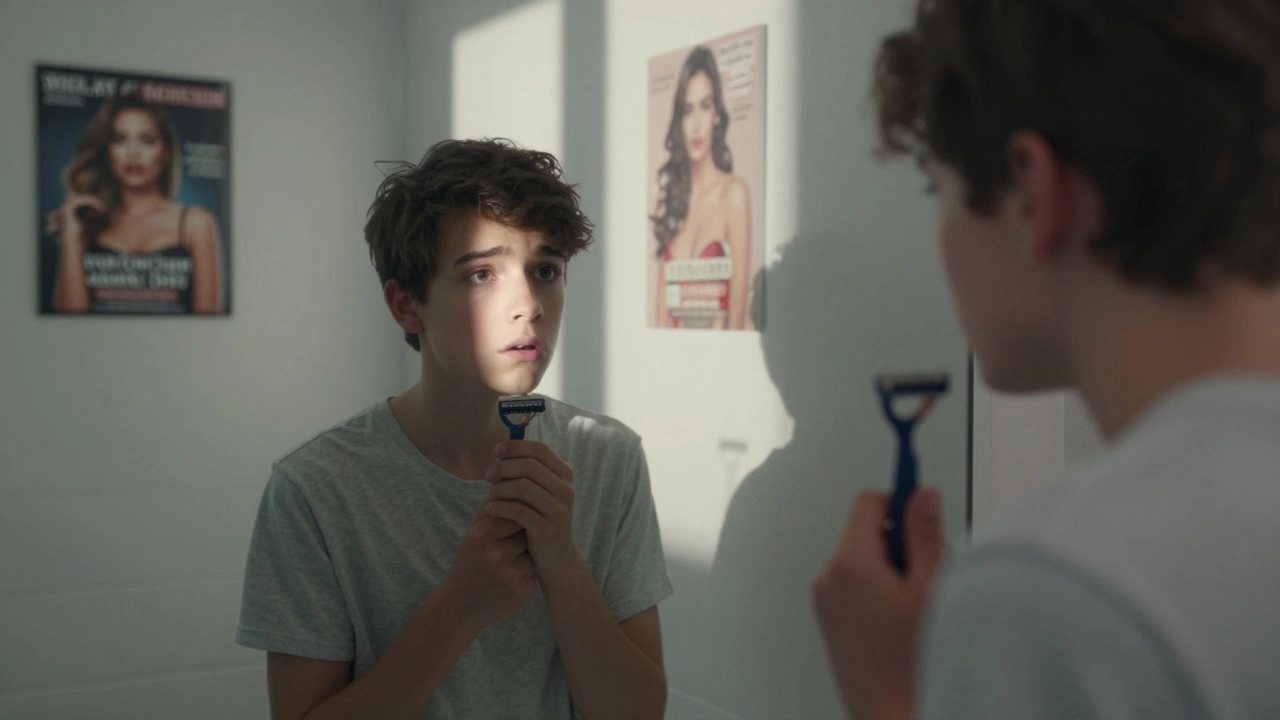
Shame around body hair doesn’t start in the salon. It starts in the bathroom. A mother’s quiet sigh when her daughter asks why she doesn’t have hair yet. A father’s awkward joke about "girl parts." A teenager’s horror at seeing a single dark strand on their upper lip. These moments aren’t harmless. They’re conditioning. And they stick. A 2023 study from the University of Melbourne found that 78% of women who removed body hair did so not because they wanted to, but because they feared being judged. The fear isn’t imaginary. It’s reinforced daily-in movies, ads, social media, even in medical settings where doctors ask, "Have you considered permanent removal?" as if it’s a health recommendation, not a social expectation.
Where Did This Idea Even Come From?
The clean-shaven ideal didn’t emerge from nature. It came from fashion, film, and advertising. In the 1920s, as hemlines rose and sleeveless dresses became popular, razor companies like Gillette launched targeted campaigns telling women that underarm hair was disgusting. They called it "unfeminine." They showed women with visible hair looking embarrassed, isolated, even grotesque. Men weren’t immune. By the 1980s, ads for men’s body hair removal started appearing, linking body hair to laziness, lack of discipline, or poor hygiene. The message? Hair equals dirt. Smooth equals purity.
But look at cultures that never bought into this. In parts of India, women wear traditional sarees with visible leg hair and face no stigma. In rural Morocco, men often grow thick beards and chest hair without being seen as unprofessional. In Japan, body hair removal is common among women, but it’s not framed as a moral duty-it’s framed as a grooming ritual, like brushing teeth. The difference? No one’s selling shame. No one’s making you feel like a lesser person if you don’t comply.
The Business of Shame
There’s a reason the body hair removal industry is worth over $10 billion globally. It thrives on insecurity. Every year, billions are spent on waxing, creams, lasers, and electric trimmers. Brands profit from the idea that your body is broken. And they don’t just sell tools-they sell transformation. "Feel confident," they promise. "Look like a model." But who defines the model? Who decided that smooth skin equals beauty? And why does that standard only apply to some bodies?
Even in the wellness space, the pressure persists. "Self-care" is now code for hair removal. Instagram influencers post before-and-after photos with captions like, "My skin finally feels like mine." But if your skin felt like yours before, why did you need to remove hair to feel whole? The answer isn’t in the mirror. It’s in the algorithm. The same platforms that push #bodypositivity also push ads for bikini waxes and facial lasers. They know what sells: the illusion of control over your natural self.
Breaking the Cycle
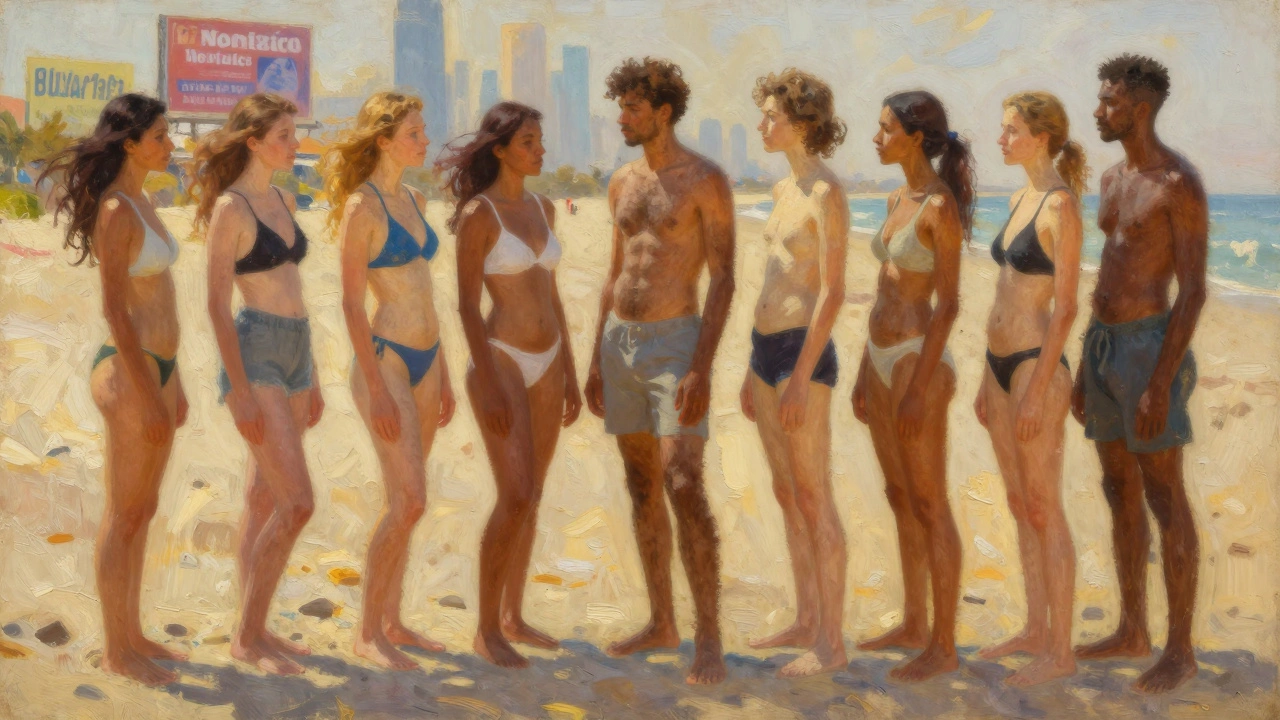
Overcoming shame doesn’t mean you have to grow out every strand. It means you get to choose without guilt. It means saying no to a trend not because you’re rebellious, but because you’re free. Some people shave. Some people wax. Some people let it grow. None of those choices make them more or less worthy. The real rebellion isn’t the hair-it’s the silence you break when you stop apologizing for it.
Try this: Next time you’re in front of the mirror and feel that familiar urge to reach for the razor, pause. Ask yourself: "Am I doing this for me, or for the world?" If the answer leans toward the latter, you’re not being lazy-you’re being conditioned. And conditioning can be unlearned.
There’s power in small acts. Wearing shorts with leg hair. Letting your armpits be hairy in summer. Posting a photo without editing out the fuzz. These aren’t political statements. They’re personal declarations: I am not a project. I am not a product. I am not here to be polished for strangers.
When Shame Feels Too Heavy
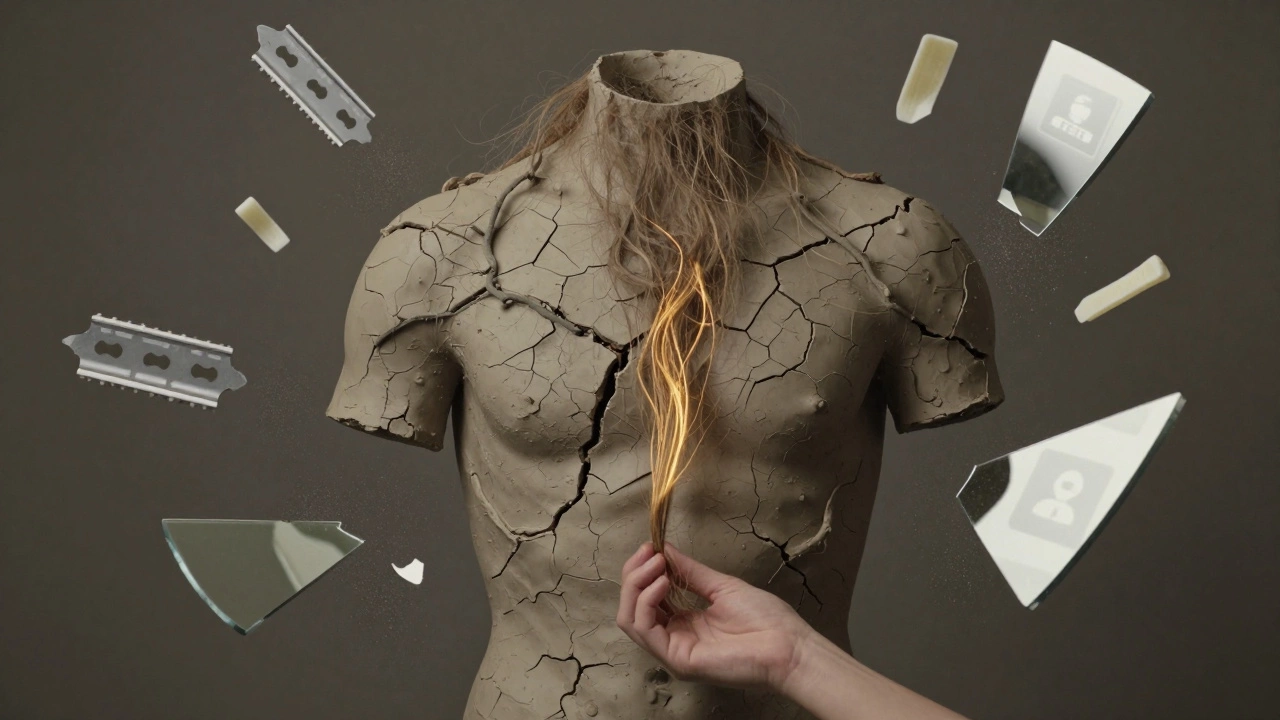
Some people carry this shame so deeply that it affects relationships, mental health, and even career choices. A woman might avoid swimming because she’s self-conscious about her legs. A man might skip the gym because he’s embarrassed by his chest hair. A non-binary person might delay medical care because they fear being judged for their natural appearance. This isn’t vanity. It’s trauma.
Therapy can help. So can community. Online spaces like r/NoPoo (No Panty Liner, No Problem) and Instagram accounts like @bodyhairwarrior are filled with people sharing unedited photos, stories, and support. They’re not trying to convince you to grow your hair. They’re just showing you that you’re not alone. And that’s often enough to start healing.
There’s a reason why body hair removal is so tied to sexuality. In the same cities where ads for dubai.escort services promise flawless skin, you’ll find ads for dubai sexy escort services that rely on the same aesthetic. And then there’s the industry that commodifies it further-dubai escort porn-where the body is stripped not just of hair, but of dignity, reduced to a visual product. These industries don’t create shame. They exploit it. They take the insecurity that’s already inside you and turn it into profit.
Reclaiming Your Skin
Body hair is not a flaw. It’s not a mistake. It’s not a sign of neglect. It’s a biological fact. Every human has it. Some grow more. Some grow less. That’s variation, not failure. The real problem isn’t the hair. It’s the system that tells you it’s wrong.
You don’t need to become a radical activist to reclaim your body. You just need to stop apologizing. Wear the tank top. Say yes to the beach. Say no to the razor if it doesn’t feel right. Let your body be yours-not a canvas for someone else’s idea of beauty.
And if you still choose to remove your hair? That’s fine too. Just make sure it’s your choice. Not because you’re afraid. Not because you think you’ll be loved more. But because you want to. That’s the only kind of freedom that lasts.



About Author